On a quiet Tuesday, we ran a building-wide drill in a 14‑storey office where half the occupants had altered because the previous exercise. The alarm systems sounded, people spilled right into corridors, and every second person was holding a laptop computer. What kept it from becoming a confused shuffle was not the loudspeaker or the printed plan, it was the colours. A white helmet and a clear voice at the fire panel, yellow helmets at the stairwells, red at the assembly area, and eco-friendly in the beginning aid. People followed colour long prior to they refined words. That is the essence of the fire warden hat colour system: rapid recognition under stress.
Colour codes are not design. They are an aesthetic agreement between an emergency situation control organisation and everyone who relies on it. This overview clarifies common hat colours, why they matter, and how to embed them into training such as PUAFER005 Operate as part of an emergency control organisation and PUAFER006 Lead an emergency control organisation. I will additionally share functional information from drills and incident actions that make colour systems work in actual buildings with genuine people.
Why hat colours exist and how they work
Emergencies are noisy. Alarms, two‑way radios, and a hundred discussions all contend for attention. Auditory overload makes it hard to pick a leader out of a crowd. A hat colour system punctures that noise, transforming function recognition into a glance. The colours also reduce the cognitive load on wardens that require to route, not discuss. If a chief warden indicate a yellow‑hatted flooring warden and states, follow them, individuals move.
The system only functions if it corresponds, visible, and strengthened. That implies selecting colours people can tell apart in smoke or reduced light, making sure hats come, maintaining spares for professionals and visitors, and piercing the definitions until staff can remember them under tension. It likewise means incorporating colours right into the emergency situation strategy, signs, and warden training so the visual language matches the procedures.
The typical colour map, from chief warden to very first aid
Not every website uses the precise very same scheme, yet numerous comply with a steady pattern notified by Australian Requirements and extensively taken on industry technique. Tones, like attires, must be documented in the website's emergency situation plan and briefed to new staff. Right here is the common map you will certainly see in well‑run facilities.
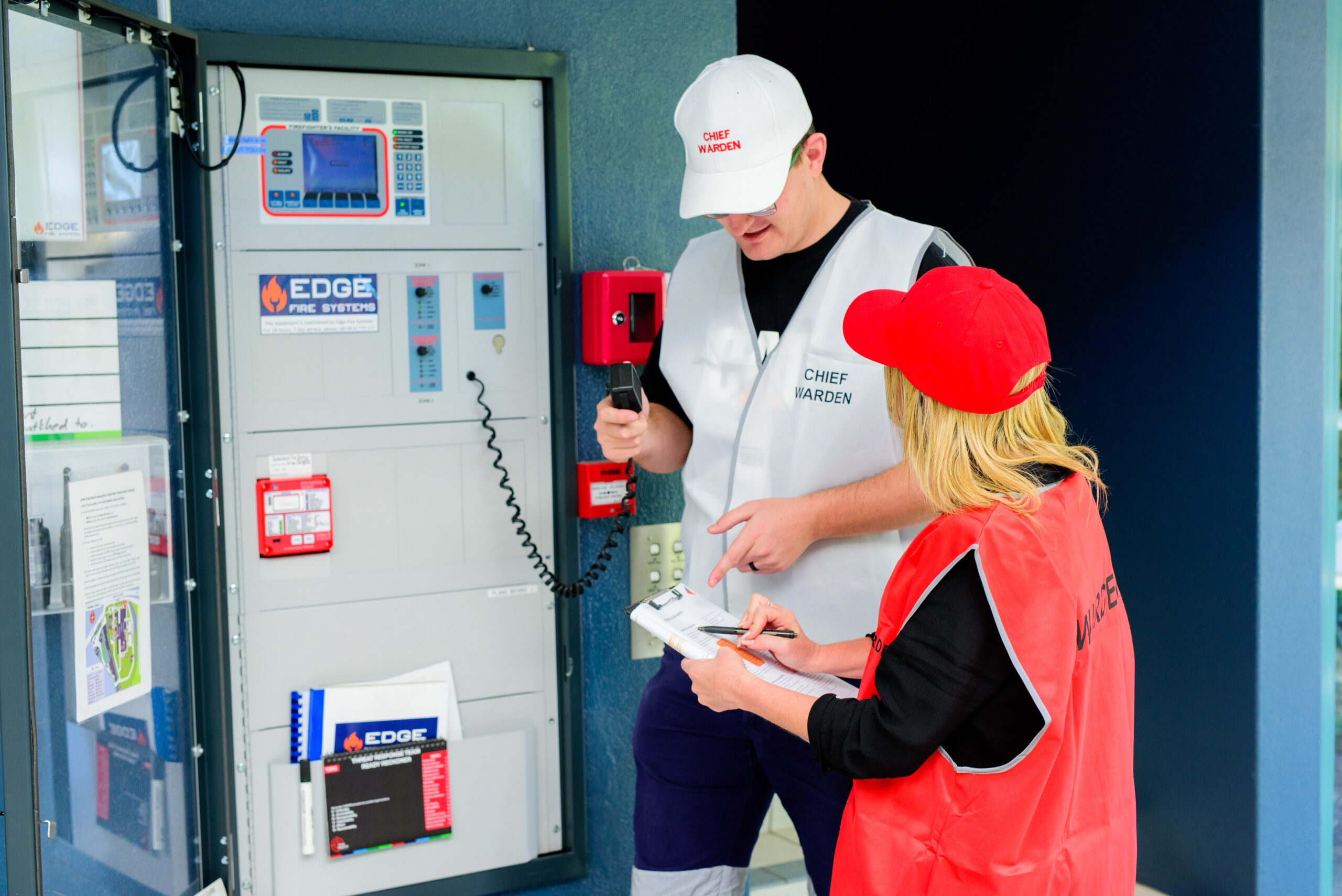
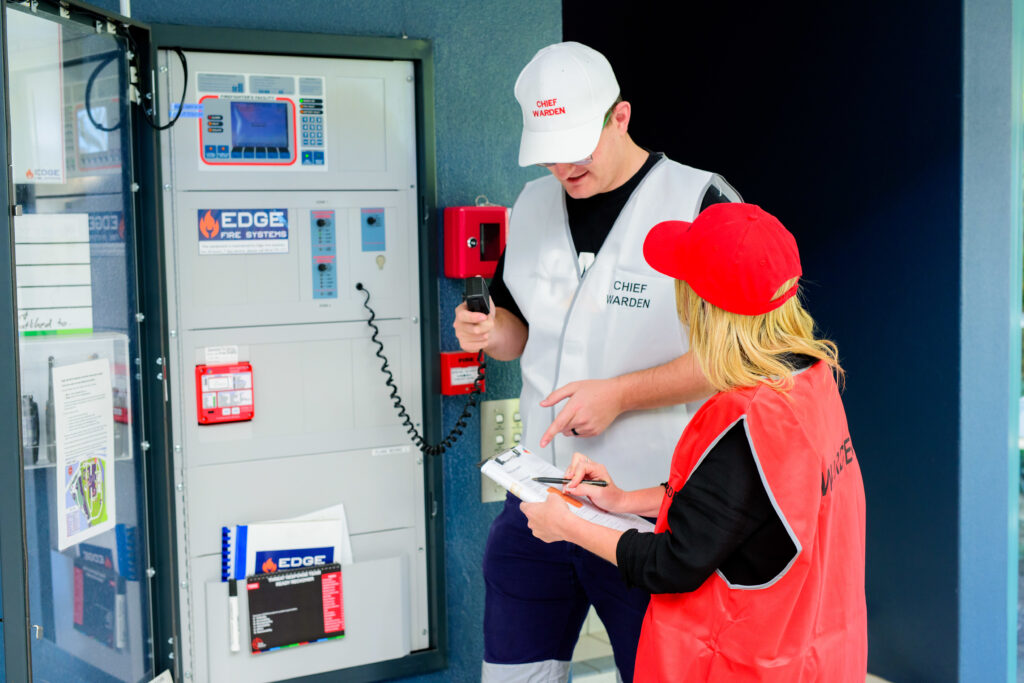
Chief warden: White helmet or hat. If you have ever asked, what colour helmet does a chief warden wear, the best presumption throughout industrial websites is white. In numerous teams the chief warden adds a white tabard or vest significant Chief Warden on the back and breast for contrast. The chief warden hat colour requires to stand out at the fire panel and at the assembly area so contractors, reacting firemans, and tenants can locate the person in charge. When radio traffic is heavy, the white helmet and vest are quicker than asking names.
Deputy or communications warden: White safety helmet with a stripe or a distinctive comms vest. Some sites give deputies a white hat with a blue red stripe to separate their role without developing an entire brand-new colour. Others maintain it basic and treat all command roles as white, distinguishing with vests identified Communications or Deputy.
Area wardens or floor wardens: Yellow safety helmet or hat. Yellow signals neighborhood control. Location wardens move their zones, regulate the stairwells, and enforce the choice to evacuate, sanctuary, or return. In a multi‑storey structure, yellow at the stairway entry factors ends up being the support for secure descent, spacing, and the activity of mobility‑impaired occupants. If you run warden training, drill that yellow ways your instant employer throughout motion, not the chief warden directly.
General wardens: Red helmet or cap. Red wardens are the hands and eyes, assisting the location warden, handling door checks, isolating tools if educated, guiding site visitors, and reporting dangers back with the chain. In technique, lots of workplaces miss a separate red role and put all floor‑level wardens in yellow. That works if you maintain an appropriate ratio, usually one warden per 20 to 30 personnel and one at each end of long corridors.
First help police officers: Environment-friendly headgear, cap, or vest. Green is a global signal for emergency treatment. On large universities I keep first aid distinct from discharge control, also when the same individual holds both tickets. You desire the environment-friendly visible at the assembly location to triage minor injuries, environmental sensitivities throughout discharges, and warmth anxiety. If you offer very first help police officers green hats, see to it they know that emptying control still flows through yellow and white.
Emergency solutions intermediary: White headgear with a red cross or a clearly labeled vest. On high‑risk sites he or she fulfills fire staffs at the control area or front entry, turn over the panel hard copy, and briefs on threats, missing individuals, and shut‑offs. fire warden requirements in the workplace If you do not have a dedicated liaison, the chief warden takes this function.
Security and wardens often mix functions. In shopping centres and hospitals, security usually wears their typical attire and includes a role‑specific vest. That is great supplied the colours remain noticeable in crowds.
Why white for command and yellow for floors
A fast note on the logic. White matches command because it contrasts with most garments and lighting. It likewise stays clear of confusion with eco-friendly emergency treatment and red general wardens. Yellow for area wardens is a nod to building and construction hard hats where yellow represents general site functions, simple to source and high‑visibility. Green links to clinical across offices. Uniformity throughout markets aids visitors and specialists that wander from site to site.
If your structure already utilizes various colours, do not panic. The essential point is interior uniformity and clear interaction. Record the plan in your emergency plan and publish a colour tale close to the alarm panel and in the warden room. Throughout inductions, show the hats, do not just define them.
Pairing colours with training: PUAFER005 and PUAFER006
The best colour system fails if individuals do not recognize what to do when they placed the hat on. That is where organized training comes in.
PUAFER005 Run as component of an emergency control organisation constructs the base skills for wardens. A durable puafer005 course need to cover alarm recognition, communication methods, devices seclusion within scope, human factors in evacuation, mobility‑impaired aid strategies, and how to run as part of an emergency control organisation without freelancing. When I run fire warden training at this degree, I attach the colours to activity. As an example, yellow wardens method stairwell control making use of body positioning and easy hand signals. Red wardens method split‑floor sweeps and succinct radio reports.
PUAFER006 Lead an emergency situation control organisation is the step up. In a puafer006 course, primary wardens and deputies find out decision‑making under uncertainty, interfacing with emergency solutions, reading panel information, managing the tempo of emptyings, and handling partial discharges when smoke is localised. We placed the white safety helmet on individuals early in the day, hand them a radio, and run through escalating circumstances. The white hat colour helps seal their management identification for the group.
If you are constructing a program, deliver both units together for senior wardens, then revitalize yearly. New personnel must finish a warden course or a minimum of a targeted induction as quickly as they take on the duty. The majority of organisations go for refresher course emergency warden training every twelve month, with a live drill a minimum of twice a year. The training cadence matters more than the paperwork.
Fire warden demands in the workplace
There is no solitary national proportion that fits every work environment, however patterns have arised. A practical starting point is one warden per 20 to 30 occupants on each floor, with a minimum of 2 per flooring in situation one is lacking. In complex layouts, aim for a warden at each end of lengthy hallways and a specialized warden for common rooms like labs or workshops. High‑risk atmospheres or public locations might need tighter coverage. Document your fire warden requirements, nominate deputies, and keep a current register with call details, training days, and change coverage.
Make sure the hats or safety helmets are stored near muster points, stair doors, or the alarm panel, not secured someone's storage locker. Keep a tiny cache for service providers and occasion team. If the hats are branded with the building or firm logo, revolve them into normal security rundowns so people see and remember them.
The aesthetic language past hats
I am a follower of pairing hats with vests or tabards. In congested entrance halls, helmets rest above the line of sight, which is excellent, but a vest includes a colour block that anybody can select at shoulder elevation. Usage clear text front and back: Chief Warden, Area Warden, First Aid. The lettering works at distance far better than a little badge. Some groups use coloured armbands in workshops where helmets are already required for other reasons. That works, yet examination it in a drill with smoke to see if individuals can still choose duties at a glance.
Radios should match the visual system. Tag radios with duties and keep a spare battery in the warden set. In an office tower we had an easy regulation that functioned wonders: white speaks initially, yellow second, red only when entrusted, eco-friendly on a separate network preferably. That structure minimizes radio accidents and maintains command audible.
Special cases and side conditions
Daylight versus reduced light: White and yellow appear sunlight yet can wash out under specific fluorescents. If parts of your website are dark or great smoky during drills, include reflective tape to hats and vests. A straightforward reflective chevron on a white hat assists a whole lot in stairwells.

Hard hats versus soft caps: In construction or industrial settings, wardens already wear construction hats for security. Add duty colours with high‑quality clip‑on covers, stickers that cover the crown, or coloured bands. Avoid tiny labels. If you can only do one adjustment, select a vast band around the hat with role text.
Cultural and access factors to consider: Colour vision shortage is common. Do not count on colour alone. Pair colours with bold text tags and, if you can, distinctive patterns. For example, chief warden hats with a broad white band and black primary text, location warden yellow with angled stripes, first aid green with a white cross. In noise‑sensitive spaces, set aesthetic hints with hand signals rehearsed in training.
Multiple occupants and shared centers: Mixed‑tenant structures typically have problem with irregular schemes. Develop a building‑wide colour standard agreed by occupancy managers. Host joint fire warden training so people learn the very same signals. Throughout drills, have the chief fire warden from developing management wear white, lessee location wardens put on yellow, and renter basic wardens use red. This layered technique minimizes the friction at common stairwells.
Hybrid work and absence: With remote work, fifty percent your nominated wardens might be offsite on any offered day. Resolve this with greater numbers on the lineup, cross‑training throughout teams, and a noticeable on‑the‑day election process. Keep extra hats at flooring wardens' desks and at the panel. Throughout instructions, the chief warden can appoint ad‑hoc wardens for the workout and hand them hats. In an event you do not want to wait for the nominated yellow to return from a coffee run.
Common mistakes that blunt the colour system
I commonly see terrific plans threatened by basic errors. Hats locked away with no essential holder present. Tones presented, after that changed after a leadership turning. Vests stored with flat radios. Emergency treatment police officers sent to assist evacuations while nobody often tends to a fainter at the muster factor. Shade systems do not stop working in theory, they fall short in technique when logistics are ignored.
Another error is treating colours as an alternative for training. A red hat on an inexperienced person does not make them a warden. If you require extra coverage, run a fast warden course for volunteers and comply with up with a complete fire warden course when timetables enable. The entry‑level puafer005 course is developed for precisely this, to obtain individuals proficient in functions without overwhelming them with command responsibilities.
Building a trustworthy colour‑based response
Start with a written plan that names functions, colours, and responsibilities. Inventory the gear, after that check your accessibility factors. Put one warden kit at the panel with white hat, vest, layout, a lantern, a set of secrets for plant spaces, and radios. Place smaller sized sets at each stairwell door with yellow hats and whistles. Conduct a walk‑through so wardens can locate shut‑offs, hydrants, extinguishers, and the PEEP areas for mobility‑impaired assistance.
Bring the colours right into fire warden training. When running an emergency warden course, do not maintain hats in the box. Hand them out and utilize them. Change paper situations with movement through actual passages. Exercise routing site visitors with one hand while holding a radio in the other. If you have invested in PUAFER006 lead an emergency control organisation training, provide the white hat participants command troubles, like https://pastelink.net/idrk88mq a smoke device on one flooring and a clinical occurrence at the setting up point. It is better to make errors under a white hat in technique than under an alarm for the very first time.
Role clarity under pressure
Wardens need a straightforward mental version. White chooses. Yellow controls floors and staircases. Red searches and records. Green deals with. That pecking order minimizes arguments in the corridor. It likewise helps brand-new staff observe and adhere to. I when enjoyed a yellow‑hat location warden stop a group at an obstructed stairwell and reroute them to the next stair utilizing just 2 gestures and three words, all since people saw the hat and thought, properly, that this person had actually authority.
For principal wardens, the hat is also a shield. Throughout a partial evacuation caused by a local smoke detector, the white safety helmet and vest let the chief stand at the panel, radio clipped and log sheet in hand, without fielding random questions. People identified that he or she was in charge and awaited instructions rather than demanding descriptions mid‑incident.
Linking colours to conformity and assurance
Auditors and insurance companies appreciate noticeable systems. When you can demonstrate that your fire warden requirements in the workplace are matched by trained individuals, identifiable by duty, and supported by devices, your danger stance enhances. Keep records of warden training, including days of puafer005 and puafer006 credentials, participation checklists for drills, and after‑action testimonials. Throughout testimonials, note whether colours showed up, whether the chain of command functioned, and whether site visitors might locate a warden quickly.
If you generate a brand-new lessee or open a refurbished wing, schedule an emergency warden course concentrated on that room. For principals and deputies, a brief chief warden course or chief fire warden course as a refresher course helps adjust management behaviors to the new design. Role‑specific lists should match your colour system and live in the kits.
A short area checklist for colour‑coded readiness
- Hats and vests tidy, labeled by role, saved at panel and stairwells, with at the very least 2 spares per floor. Radios billed, labeled by duty, with one extra battery per 5 radios. Warden lineup existing, with insurance coverage per floor and change, and deputies identified. Colour tale uploaded at panel and in warden area, included in inductions. Annual puafer005 and puafer006 refresher schedule collection, with 2 drills per year.
Frequently asked concerns from the floor
What if our chief warden prefers a red safety helmet due to the fact that it feels reliable? Authority comes from clarity, not colour intensity. Red can be puzzled with basic warden functions. Stick to white for the chief warden hat to straighten with common method, and include bold CHIEF lettering.
We have checking out service providers. Just how do we handle them? At sign‑in, concern a site visitor card that includes the colour legend. In an emptying, service providers ought to adhere to the closest yellow or red warden to the setting up area. If they bring their very own helmets, give clip‑on vests or arm bands with your colours to prevent mismatches.
How several wardens do we require per floor? A practical array is one warden per 20 to 30 people plus a deputy, with insurance coverage at both ends of large floors. Rise numbers for complex layouts, public areas, or high‑risk procedures. File your assumptions and evaluate them in a drill.
Should emergency treatment respond throughout activity or wait at the assembly area? Give initial aid police officers clear guidance. Many sites assign eco-friendly to the assembly area for triage and dispatch a second experienced person with yellow or red to move with the discharge. If you are light on numbers, route the local educated individual to respond and report to white, then backfill roles.
How do we keep skills fresh? Link warden training to regular drills. A brief pre‑drill talk reinforces the colours and roles, and a brief after‑action huddle records enhancements. Rotate principal roles among skilled individuals during exercises so greater than someone is comfortable in the white hat.
Bringing it to life in your building
I like to begin with an early morning workout, thirty minutes door to door. We orient, release hats, run a partial evacuation of 2 floors with a staged blockage, after that regroup. The first time, individuals are shy regarding putting on the hats. By the 3rd drill, I hear, where's my yellow, and see staff rerouting coworkers successfully. When the fire brigade sees for a familiarisation, the chief in white turn over the strategy while yellow wardens hold the stairways. The colours transform a policy into action.
If your organisation has actually never formalised the system, pick a simple system that matches common technique: white for chief warden and command, yellow for area wardens, red for basic wardens, green for emergency treatment. Stock the equipment, update your emergency situation strategy, and run a short warden course. If you need management depth, include a chief warden course with scenarios that stretch decision‑making. Keep the puafer005 and puafer006 expertises existing. Examination, change, and examination again.
People hardly ever bear in mind the specific words you said throughout an alarm system. They bear in mind the individual in the appropriate location wearing the best colour who pointed the method out. That is the promise of an excellent fire warden hat colour system. It makes management visible when it matters most.
Take your leadership in workplace safety to the next level with the nationally recognised PUAFER006 Chief Warden Training. Designed for Chief and Deputy Fire Wardens, this face-to-face 3-hour course teaches critical skills: coordinating evacuations, leading a warden team, making decisions under pressure, and liaising with emergency services. Course cost is generally AUD $130 per person for public sessions. Held in multiple locations including Brisbane CBD (Queen Street), North Hobart, Adelaide, and more across Queensland such as Gold Coast, Sunshine Coast, Toowoomba, Cairns, Ipswich, Logan, Chermside, etc.
If you’ve been appointed as a Chief or Deputy Fire Warden at your workplace, the PUAFER006 – Chief Warden Training is designed to give you the confidence and skills to take charge when it matters most. This nationally accredited course goes beyond the basics of emergency response, teaching you how to coordinate evacuations, lead and direct your warden team, make quick decisions under pressure, and effectively communicate with emergency services. Delivered face-to-face in just 3 hours, the training is practical, engaging, and focused on real-world workplace scenarios. You’ll walk away knowing exactly what to do when an emergency unfolds—and you’ll receive your certificate the same day you complete the course. With training available across Australia—including Brisbane CBD (Queen Street), North Hobart, Adelaide, Gold Coast, Sunshine Coast, Toowoomba, Cairns, Ipswich, Logan, Chermside and more—it’s easy to find a location near you. At just $130 per person, this course is an affordable way to make sure your workplace is compliant with safety requirements while also giving you peace of mind that you can step up and lead when it counts.